Storm claims, and when a public adjuster is worth it
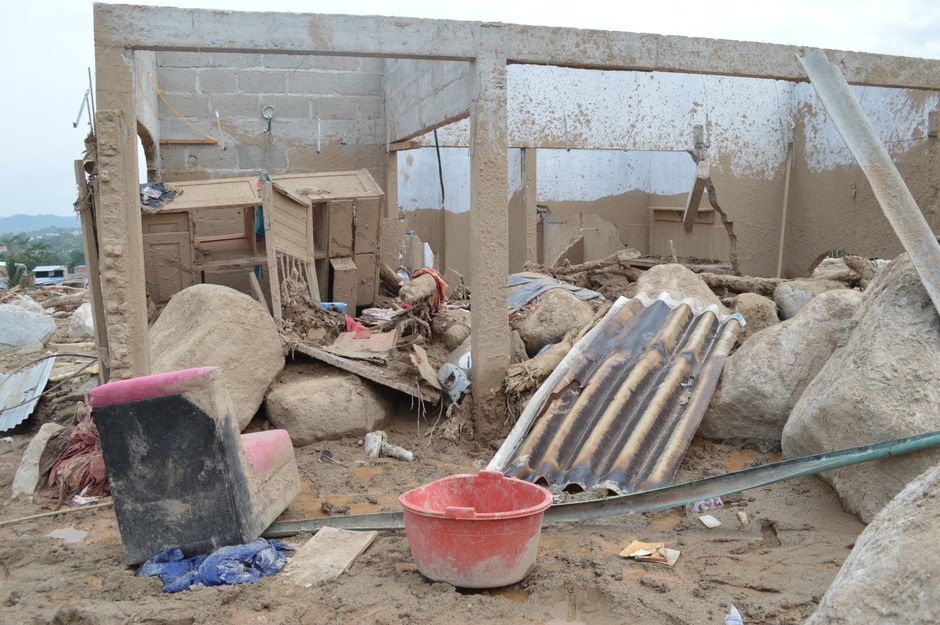
Document everything before you clean up anything. Photograph and video the damage from multiple angles while it is untouched, then make only the temporary repairs needed to prevent further damage — and keep every receipt. What you fail to record in the first day is what gets argued about for the next six months.
The first 48 hours
- Photograph and video before touching anything. Wide shots for context, close shots for detail, and get the date into the file metadata.
- Stop further damage, but no more. Tarp the roof, board the window. You have a duty to mitigate — you do not have permission to start repairs.
- Keep every receipt for tarps, boarding, drying equipment, hotel nights. These are frequently reimbursable and just as frequently thrown away.
- Report the claim promptly and write down the claim number, the adjuster’s name and the date.
- Do not discard damaged property until the adjuster has seen it or authorised disposal in writing.
Cleaning up thoroughly before documenting. It is the natural human response to a wrecked house, and it destroys the evidence your claim depends on. Photograph first, always.
Who is who
| Role | Works for | Paid by |
|---|---|---|
| Company adjuster | Your insurer | The insurer |
| Independent adjuster | Your insurer, on contract | The insurer |
| Public adjuster | You | You, usually a percentage of the settlement |
The first two are not your representatives, however helpful they are in person. A public adjuster is the only one of the three working for you.
When a public adjuster earns their fee
- The loss is large or complex, and the difference between a fair and unfair settlement runs into serious money.
- Your claim has been denied or underpaid and you do not know how to challenge the basis.
- You cannot manage the documentation yourself — because you are displaced, working, or simply overwhelmed.
For a small, clean claim the percentage often costs more than it recovers. Ask the fee before signing anything, and read the contract term about what happens if you cancel.
What a public adjuster may legally charge
Florida caps this, and the cap is not widely advertised. On an ordinary claim the ceiling is 20%† of what you are paid. On a claim arising from a declared state of emergency, made within the year following the declaration, the ceiling drops to 10%†.
After a named hurricane, the lower emergency cap is usually the one that governs — and a contract written at the ordinary rate would exceed what the law allows. That single check is worth doing before you sign, because on a six-figure settlement the difference between the two ceilings is tens of thousands of dollars.
Public adjusters are licensed under Florida Statutes §626.865 and must post a $50,000 surety bond. Anyone knocking on your door after a storm without a licence number is not someone to sign with. Verify at myfloridalicense.com before you sign, not after.
The deadlines, in days
Florida sets these in statute, and they have moved twice in recent sessions. These are the current figures. Late notice is one of the most common and most effective denial bases there is, so the first row is the one to remember.
| Deadline | Limit | Who it binds |
|---|---|---|
| Notice of an initial or reopened claim | 1 year† from the date of loss | You |
| Notice of a supplemental claim | 18 months† from the date of loss | You |
| Insurer acknowledges your communication | 7 calendar days† | The insurer |
| Insurer begins investigating | 7 days† from proof of loss | The insurer |
| Insurer pays or denies | 60 days† from notice | The insurer |
A large number of Florida legal and insurance pages still say an insurer has 90 days to pay or deny. That was the old rule. It is now 60 days†. You will also see three years quoted for supplemental claims; that is also outdated, and the limit is now 18 months†. If a page cites the old numbers, it has not been reviewed since the reforms — which tells you something about the rest of it.
One clarification that matters more than it sounds: the 1 year† notice deadline applies to all perils, not only hurricanes. For weather events the clock starts when the hurricane made landfall, or when NOAA verified the event — not when you noticed the damage. A leak found months later may already be most of the way through its window.
Your policy may also require a sworn proof of loss on its own timetable, and missing that can end a claim regardless of merit. Read the wording in your own policy rather than relying on what applied to a neighbour three years ago.
If your claim is denied
- Get the denial in writing with the specific policy language relied on.
- Read that language against your policy. Denials sometimes cite provisions that do not apply to the facts.
- Ask for the adjuster’s report and estimate. You are entitled to understand the basis.
- Consider a public adjuster or an attorney depending on size and complexity.
- You may file a complaint with the Florida Department of Financial Services.
Related
Common questions
What should I do first after storm damage?
Photograph and video everything before you clean up or repair anything. Then make only the temporary repairs needed to prevent further damage, keeping all receipts.
What does a public adjuster cost in Florida?
A percentage of the settlement, capped by statute at 20%. For claims arising from a declared state of emergency and made within the year after the declaration, the cap drops to 10%. After a named hurricane the lower cap usually applies, so check which one your contract is written at.
How long do I have to file an insurance claim in Florida?
One year from the date of loss for an initial or reopened claim, and 18 months for a supplemental claim. This applies to all perils, not only hurricanes. For weather events the clock starts at landfall or when NOAA verified the event.
How long does an insurer have to pay or deny my claim in Florida?
60 days from receiving notice. Many pages still say 90 days, which is the old rule. The insurer must also acknowledge your communications within 7 calendar days and begin investigating within 7 days of receiving proof of loss.
Is a public adjuster licensed in Florida?
Yes. They are licensed under Florida Statutes §626.865 and must post a $50,000 surety bond. Always verify the licence number before signing.
Can I claim for a roof if it is old?
Age alone does not bar a claim, but it affects settlement. Many Florida policies now pay actual cash value rather than replacement cost on older roofs, which means depreciation is deducted.
What if my claim is denied?
Get the denial in writing with the specific policy language cited, read it against your policy, request the adjuster report, and consider a public adjuster or attorney. You may also complain to the Florida Department of Financial Services.
General information about the Florida claims process. Policy terms and statutory deadlines differ and have changed repeatedly — read your own policy and confirm current deadlines before relying on anything here.