Buying new construction in Florida
In a resale you negotiate a price. In new construction you are handed a contract written entirely by the seller, and the price is the least negotiable part of it. The incentives, the timeline, the deposit terms and what happens if the build is late are all in a document drafted by the builder’s lawyers, and most buyers sign it in a sales office on a Saturday.
The person walking you round the model is employed by the builder. That is not a criticism — it is simply who they work for, and it is a different thing from someone representing you. Florida makes this doubly worth knowing, because a licensee is presumed to be a transaction broker rather than your agent even before you factor in who is paying them.
What is actually negotiable
| Item | Negotiable? | Why |
|---|---|---|
| Base price | Rarely | Builders protect the price sheet — it sets comparables for the rest of the community |
| Upgrades and options | Often | Margin is high here, so concessions cost the builder less |
| Closing cost contribution | Often | Usually tied to using their lender |
| Design centre allowance | Sometimes | Same margin logic as upgrades |
| Contract terms | Occasionally | Worth asking — the worst answer is no |
| Completion date guarantees | Hard | This is where most builder contracts are most protective |
Push on incentives rather than price. A builder who will not move $10,000 on the sticker will often move considerably more than that in upgrades and closing costs, because it does not disturb the price sheet other buyers are being shown.
Read these clauses before anything else
- What happens if it is late. Builder contracts routinely allow generous extensions. Find out what recourse you actually have, and whether you can withdraw and recover your deposit.
- Is your deposit at risk, and is it held in escrow? On a long build in a moving market this is the single largest exposure you have.
- Can the builder change the specification? Substitution clauses are normal, but read how far they go.
- What does the warranty actually cover, and for how long? Cosmetic, systems and structural usually carry very different periods.
- Is there mandatory arbitration? It shapes every dispute you might have afterwards.
- Are you required to use their lender or title company to get the incentive? You usually are, and you should still compare what it costs you to accept.
You still need your own inspection
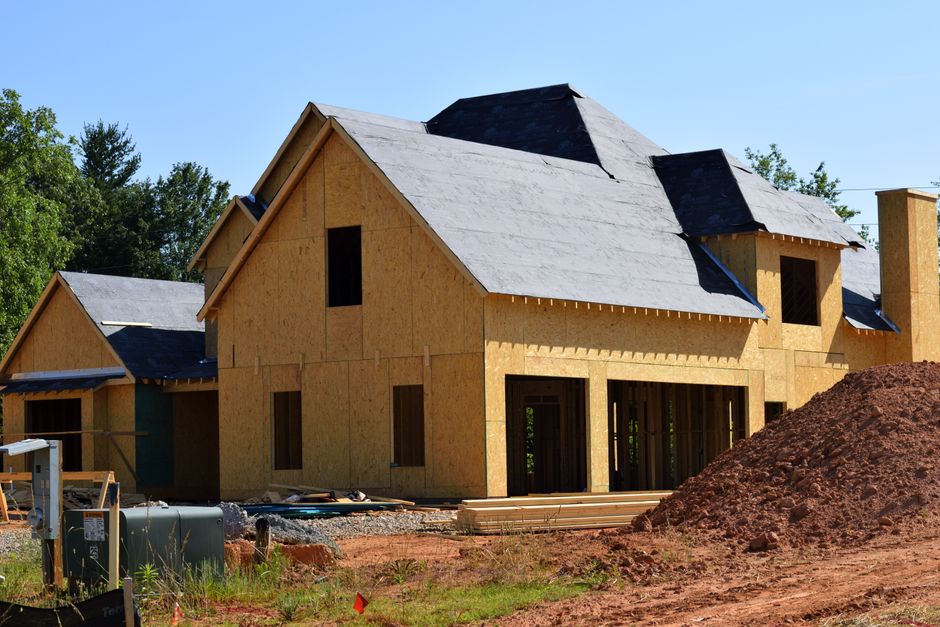
New does not mean faultless, and the municipal inspections along the way are code compliance checks rather than a quality review on your behalf. The two moments worth paying for are a pre-drywall inspection, while the structure, wiring and plumbing are still visible, and a final inspection before closing.
- Get the pre-drywall inspection scheduled in advance — the window is short and it does not wait for you.
- Walk the final with the punch list in hand and do not sign it off from a photograph.
- Ask for the wind mitigation report. A new Florida build should score well, and that documentation is worth roughly 20–30% of the total premium† off the premium.
The Florida-specific costs a new build brings
- A CDD is common in newer communities. The infrastructure was financed by the district, and you repay it — typically $1,000–$4,000 a year† on the tax bill, with the bond half running typically 20 to 30 years† and the maintenance half continuing indefinitely.
- The tax bill in year two is not the tax bill in year one. Your first assessment may reflect land only, or a partial year. Once the completed home is assessed at market, it rises sharply — and the 3% or CPI, whichever is lower† cap only starts protecting you after you have the homestead exemption in place.
- An HOA, usually, and sometimes both HOA and CDD. They are separate charges for different things.
- If it is a condo of three or more storeys, milestone inspection and reserve obligations arrive later in the building’s life — at 30 years from the certificate of occupancy†, or 25 years if within three miles of the coastline†.
This is the most common financial surprise in Florida new construction. Buyers budget from the first tax bill they see, which was calculated before the house existed, and then find the second one is multiples of it. Ask the property appraiser what the completed home is likely to be assessed at, rather than working from the builder’s estimate.
Before you sign
- Have the contract reviewed by someone who is not connected to the builder.
- Get the CDD split — bond versus maintenance — in dollars for that specific lot.
- Model the year-two tax bill, not the year-one one.
- Get an insurance quote on the address, even on a new build.
- Book the pre-drywall inspection at contract stage, not later.
Related
Common questions
Can you negotiate on new construction in Florida?
Rarely on base price, because builders protect the price sheet that sets comparables for the community. Upgrades, design centre allowances and closing cost contributions are where concessions actually come from.
Do I need an inspection on a new build?
Yes. Municipal inspections check code compliance, not quality on your behalf. Get a pre-drywall inspection while structure, wiring and plumbing are visible, and a final inspection before closing.
Why did my property tax jump in the second year?
Your first bill was likely calculated on land only or a partial year. Once the completed home is assessed at market value the bill rises sharply, and the Save Our Homes cap only begins protecting you after the homestead exemption is in place.
Do new construction homes in Florida have CDD fees?
Frequently. Newer communities often financed their infrastructure through a Community Development District, and the cost is repaid through an annual assessment on your tax bill, commonly $1,000 to $4,000.
Do I have to use the builder’s lender?
Usually not required, but incentives are typically conditional on it. Compare what the incentive is worth against the rate and fees you could get elsewhere before accepting.
Builder contracts are private documents and vary enormously — nothing here describes yours. Have it reviewed by someone independent before signing. General information, not legal advice.